

Project Brief
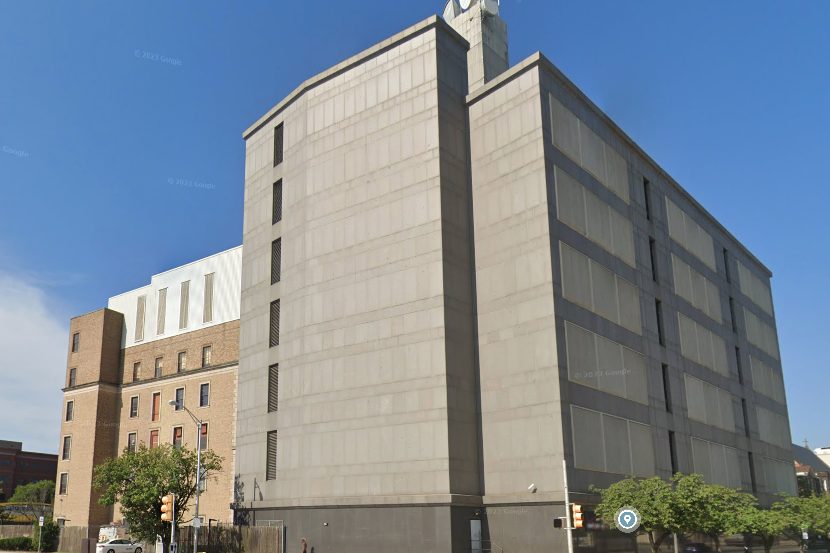
Verizon runs two connected network buildings in Camden: 12 North 7th Street, seven floors and about 200,000 SF, and 701 Federal Street, six floors and about 100,000 SF. Both were built in 1927, both run 24 hours a day carrying switches and server equipment, and between them they hold roughly twenty two staff. KeRi audited them to ASHRAE Level III under Verizon's strategic decarbonization program.
New Jersey has no building level carbon cap, so unlike the New York sites there is no penalty driving the work. The case here had to be made on energy and cost, which made the shared infrastructure the place to start. Together the two buildings draw about 12.5 million kWh a year, and they draw it through a single PSE&G electric meter, sharing one chiller plant: three screw chillers with the largest decommissioned years ago, three chilled water and three condenser water pumps giving redundancy only up to about the projected load, four cooling towers over 34 years old with drives fitted but fans running at constant speed, and a 400 ton plate and frame heat exchanger installed for winter free cooling that was found broken.
Inside, much of the plant had outlived itself. Around twenty chilled water air handlers at Federal Street were over thirty years old, several abandoned in place rather than removed, along with four retired computer room air handlers. First floor split condenser units were still running on R-22 with chilled water pipework passing right beside them, and three cable dehydrators were being cooled with city water. KeRi excluded the abandoned units from the measures so the savings rest only on equipment actually running.
The measures at Federal Street alone come to roughly 713,000 kWh a year, led by replacing the cable dehydrators with self contained DX units at 367,134 kWh, converting the R-22 splits to chilled water at 99,092 kWh, and replacing eight air handlers at 84,763 kWh. The retro-commissioning side turned on one finding: Verizon's network standard is 80 degrees, but data loggers left in place for 15 days measured an average of 70.14 degrees with large swings, because a single sensor per floor was driving the whole floor. Correcting that costs nothing in capital.
MEP Engineering Scope
What We Engineered
Audit and retro-commissioning across the two buildings:
- ASHRAE Level III audit of both connected buildings as one system
- Full equipment inventory separating live plant from units abandoned in place
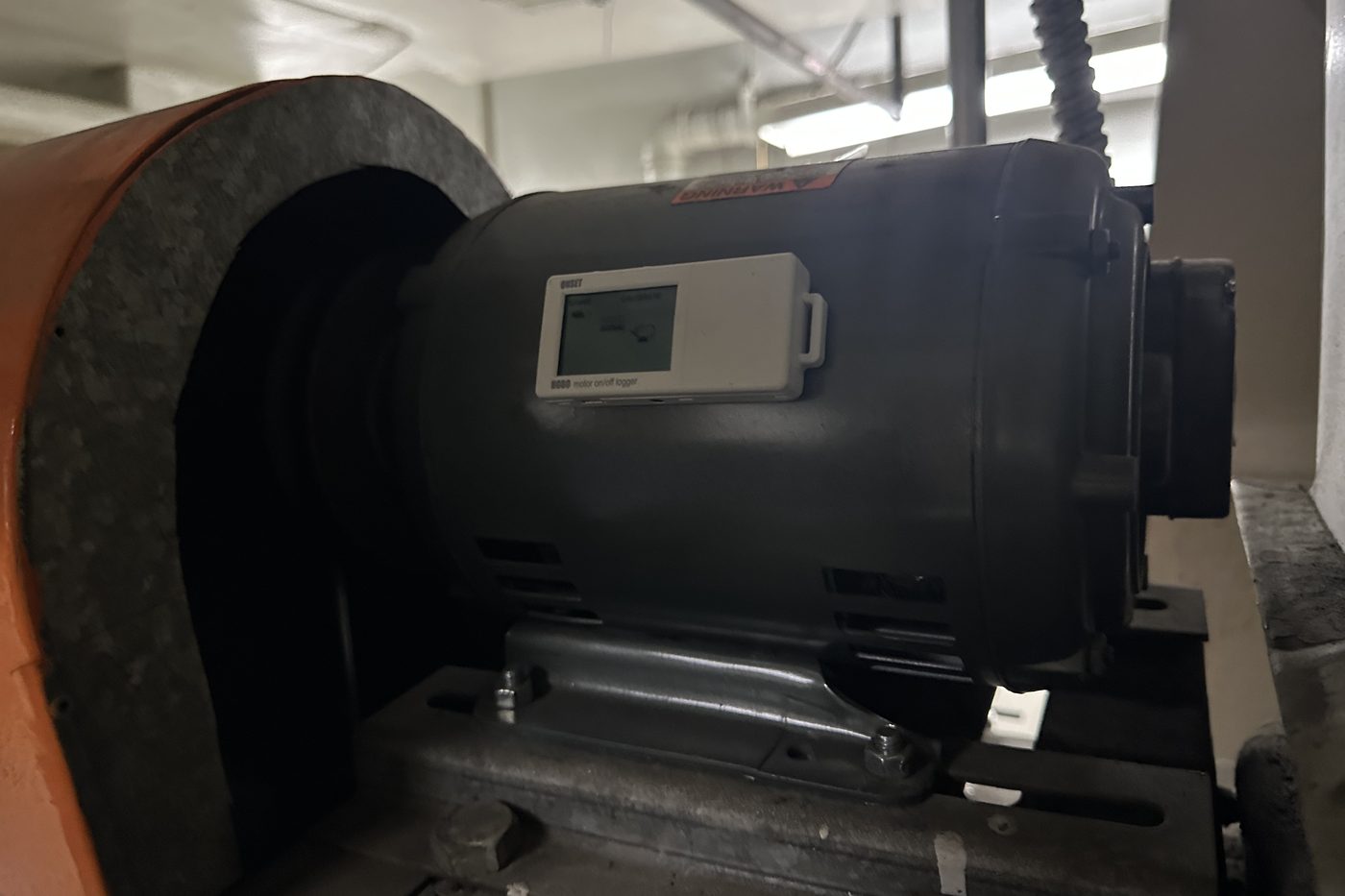
- Data loggers over 15 days behind the temperature and runtime findings
- Four energy conservation measures and six retro-commissioning measures
- Shared chiller plant, cooling towers, and free cooling assessed together
- Submetering recommended to break out load behind the single main meter
What the Audit Found
01Two Buildings, One Plant
- The two buildings are physically connected, share a single PSE&G electric meter, and share one chiller plant and cooling tower set, so neither can be assessed on its own
- The plant is three screw chillers, two at 350 tons and one at 400 tons, with the 400 ton machine decommissioned around a decade ago
- Three chilled water and three condenser water pumps at 1,200 GPM nominal, giving N plus one redundancy only up to about 700 tons, which is roughly the projected load
- Four 210 ton cooling towers on the roof, over 34 years old, with drives fitted to the fans but the fans running at constant speed anyway
- A 400 ton plate and frame heat exchanger installed for winter free cooling, found broken and out of use
- No central heating at all: the original boilers were decommissioned long ago and only scattered electric unit heaters remain
02Equipment Past Its Life, and Equipment Abandoned in Place
- Around twenty chilled water air handling units at Federal Street, most over thirty years old, with a significant number abandoned in place rather than removed
- Six computer room air handlers, four of them retired and left where they stood
- Split condenser units still running on R-22 refrigerant, with chilled water pipework running directly past them
- Three cable dehydrators being cooled with city water rather than by their own systems
- The audit deliberately excluded abandoned units from the measures, so the savings rest on equipment actually running
03Measures and Savings
- Replace the cable dehydrators with self contained DX units and free them from city water cooling: 367,134 kWh a year, the single largest measure
- Convert the first floor R-22 split condenser units to chilled water air handlers on drives, using the pipework already beside them: 99,092 kWh
- Replace eight aging chilled water air handlers with new units on drives and zoning dampers: 84,763 kWh
- Replace the two working computer room air handlers on the second floor with drive equipped units: 7,835 kWh
- Retro-commissioning added roughly 154,000 kWh more: averaging temperature sensors across each floor, rebalancing every air handler on new differential pressure sensors, resetting space temperature setpoints, calibrating a failed return air sensor, and repairing a leaking cooling tower basin
- Submetering recommended so lighting, HVAC, and network load can finally be separated behind the single main meter
04The Overcooling Finding
- Verizon's own network standard calls for 80 degrees in the network spaces
- Data loggers left in place for 15 days at 15 minute intervals measured an average of 70.14 degrees, with large swings across the day
- One temperature sensor per floor was driving the whole floor, which produced hot spots in some areas and heavy overcooling in others
- Running ten degrees below the standard means the plant runs longer than it needs to, every hour of every day, in a building that never shuts down
- That single finding sits behind several of the retro-commissioning measures, and it costs nothing in capital to correct
The Challenge
Two connected 1927 network buildings share one electric meter and one chiller plant, so neither could be assessed alone and no measure could be judged without knowing what the other building did to the same equipment. New Jersey sets no building level carbon cap, so there was no penalty to point at and the case had to be made on energy and cost. Much of the plant had outlived its life, a good deal of it had simply been abandoned in place, and with a single main meter there was no way to see where the energy was actually going.
Our Solution
KeRi audited both buildings as one system to ASHRAE Level III, inventoried the plant carefully enough to separate what still runs from what was abandoned in place, and left data loggers in for 15 days so the findings rested on measurement rather than assumption. The measures were built around the largest real losses: cable dehydrators cooled on city water, R-22 split units sitting beside unused chilled water pipework, and air handlers past thirty years old. Retro-commissioning addressed the overcooling that the loggers exposed, and submetering was recommended so load can finally be separated behind the one main meter.
Previous Project Verizon DC Cooling Upgrade Next Project Amneal Corporate Office