


Project Brief
When New York City stood up its COVID-19 testing and then vaccination network, NYC Health and Hospitals ran the clinical side and the NYC School Construction Authority ran the build-out, with KeRi as the electrical engineer on the program. Between 2020 and 2022 KeRi engineered 58 sites across Queens and Brooklyn, working with the SCA's architects of record, principally Purcell Architects, later Purcell-Everett, and di Domenico and Partners.
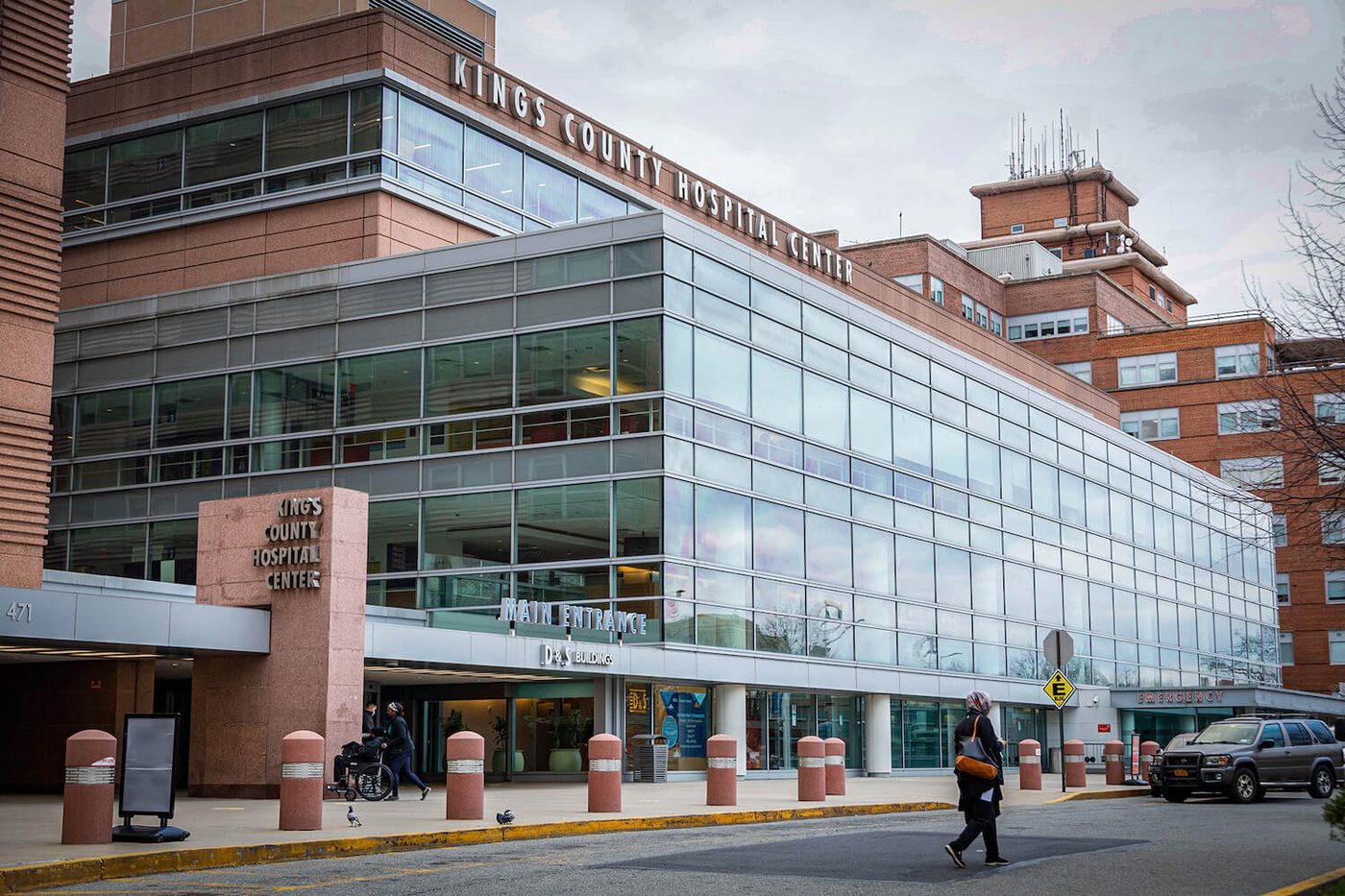
The first wave, through 2020, was testing. Modular swab trailers went onto parking lots, plazas, and hospital grounds at 14 sites, including Kings County Hospital Center, the Long Island City High School parking lot, DOT Muni Lot 4 in Flushing, the Brooklyn Museum parking lot, and the terminals at LaGuardia and JFK. Each trailer needed a real electrical supply, so KeRi surveyed the host building, found capacity in an existing panel, and drew the breaker, feeder, and routing that got power out to the trailer.
The second wave, through 2021 and into 2022, was vaccination, and the venues got larger and stranger: the Barclays Center, Queens Theater, the Ford Amphitheater, the Bedford Union Armory, public libraries, YMCAs, shopping malls, community health centers, high schools, and Queensborough Community College. Forty-four of these were engineered. Beyond the booth and nurse station receptacles, the work carried the vaccine cold chain, with dedicated circuits for refrigerators, freezers, and deep freezers, and standby generation where a site needed it. The Barclays Center site took a 70 kW generator with an automatic transfer switch feeding dedicated emergency and vaccination panels.
The constant across all 58 sites was speed. These were public health sites that had to open, so surveys, drawings, and filings ran in days rather than months, each one worked against whatever electrical capacity the host building actually had rather than an ideal design. Record drawings followed as the sites closed out.
MEP Engineering Scope
What We Engineered
Electrical engineering across the testing and vaccination network:
- Field survey of each host building for available electrical capacity
- New breakers, load centers, feeders, and panel schedules per site
- Power to modular swab trailers and vaccination booths
- Dedicated cold chain circuits for vaccine refrigerators and freezers
- Standby generation and automatic transfer switches where required
- Single line diagrams, site plans, and record drawings for every location
Typical Electrical Scope
01Service & Distribution
- Field survey of the host building or lot to find available capacity in existing panels and services
- New circuit breakers landed in existing panels, with breaker type and AIC rating matched to what was already there
- New load centers and branch panels for the temporary program, sized to the site
- Feeder routing drawn through basements, service rooms, and yards, with conduit supports and coordination against existing conditions
- Single line diagrams and panel schedules issued for every site
02Testing Sites
- Power to modular swab trailers set on parking lots, plazas, and hospital grounds, each trailer fed from a new breaker in the host building
- Typical trailer power plans covering the nasal swab stations, lighting, and the trailer furnished panel
- Site work coordinated around Jersey barriers, dock levellers, trench drains, and existing manholes
- Record drawings issued at the close of each site
03Vaccination Sites
- Receptacle layouts for vaccination booths, nurse stations, pre-registration, and security, circuited to dedicated panels
- Dedicated circuits for the vaccine cold chain: refrigerators, freezers, and deep freezers in secured freezer areas
- Standby generation where the site needed it, including a 70 kW generator with an automatic transfer switch at the Barclays Center site
- Power to ADA restroom trailers, jacket heaters, battery chargers, and support equipment
- Layouts coordinated with temporary partitions and the venue's own operations
Where the Sites Went
04Representative Locations
- Hospitals and health centers: Kings County Hospital Center, Addabbo Family Health Center at Central Avenue and at Beach Channel Drive, AdvantageCare Physicians in Queens
- Arenas and venues: Citi Field, the Barclays Center, Queens Theater, the Ford Amphitheater, the Bedford Union Armory, and the Jamaica Center Gym
- Airports: LaGuardia Terminal B and JFK Terminal 5
- Libraries and museums: Flushing, Ozone Park, South Hollis and Arverne libraries, the Brooklyn Museum parking lot, Latimer House, and the Brooklyn Children's Museum
- Malls and retail: CityPoint, 625 Atlantic Avenue, Queens Center at 90-15 Queens Boulevard, 89-35 162nd Street in Jamaica
- Community sites: YMCA Flatbush Avenue and Coney Island, Korean Community Services, Spring Creek Towers, Brooklyn community centers
- Schools and colleges: Martin Van Buren High School, John Adams High School, Boys and Girls High School, Transit Tech, Teacher Prep, Franklin Delano Roosevelt High School, Queensborough Community College
- Lots and open sites: Long Island City High School parking lot, DOT Muni Lot 4 in Flushing, 51-30 Northern Boulevard, and sites on Fort Hamilton Parkway, 14th Avenue, East 98th Street, Edward L. Grant Highway, and Rockaway Beach Boulevard
The Challenge
A public health network had to open on a schedule set by the pandemic, not by design. Sites were arenas, malls, libraries, airport terminals, parking lots, and hospital grounds, none of them built for clinical use, and each one had only whatever spare electrical capacity its host building happened to carry. Vaccination added a cold chain that could not be allowed to fail, and every site still had to be surveyed, drawn, and filed properly.
Our Solution
KeRi worked site by site, surveying each host building first to find real available capacity, then designing the breakers, load centers, feeders, and routing around it rather than around an ideal service. Trailer sites got typical power plans that could be repeated quickly; vaccination sites got dedicated panels for booths and nurse stations, separate circuits for the vaccine refrigerators and freezers, and standby generation with automatic transfer where the venue warranted it. Fifty-eight sites were carried from survey through record drawings across two years.
Previous Project Mountainside Hospital Energy Audit Next Project NJ Adult Day Care Centers