

Project Brief
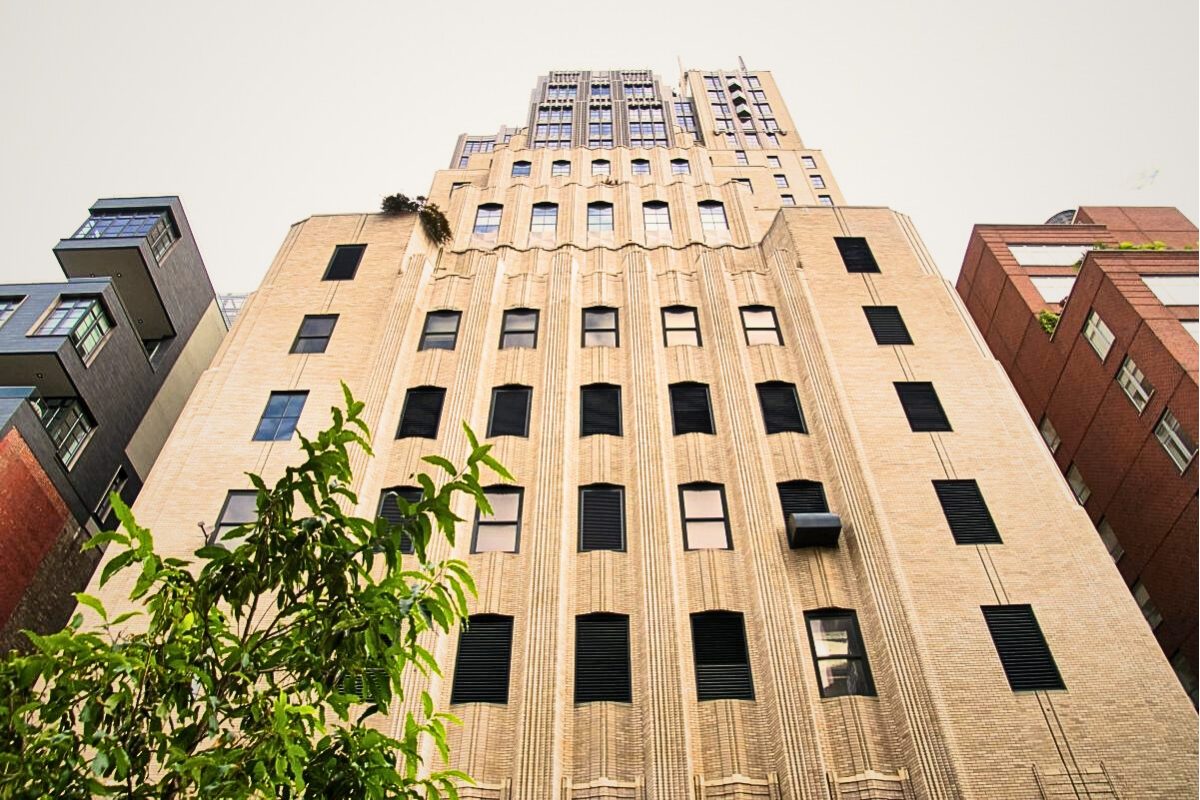
Two Verizon central offices in Manhattan, 204 Second Avenue and 215 West 17th Street, take their heating and their absorption chiller steam from the Con Edison district system. At both buildings the pressure reducing stations that step that steam down were still on pneumatic control and past their useful life. KeRi was prime consultant for replacing them, at Second Avenue through 2022 and at West 17th Street through 2023 and 2024.
Each building has its pressure reduced in two stages and in more than one place. Second Avenue carries two stations plus a set in the absorber room, fifteen scheduled valves in all, taking 125 psig down to 60 and then to 15. West 17th Street runs a station sized for a 24,000 lb/hr peak and an absorber station sized for 21,000 lb/hr, taking 200 psig service down to 50 and then to 5. Every reducing valve is a globe type electronic control valve with stainless steel trim, Class IV shut-off, a spring fail-closed actuator on 4 to 20 mA control, and a removable insulation blanket.
Around the reducing valves sits the safety work. Each station got safety shut-off valves set individually between 22 and 110 psi for whatever runs downstream, new incoming service valves at the meter rooms on motor operated actuators, pressure transmitters for control and for high and low alarm, and an emergency shut-off panel with remote shut-off to the utility's requirement. Each station also got a new control panel from the valve manufacturer with a BACnet interface, so the stations report into the building systems rather than standing alone. Second Avenue picked up a new 1,500 CFM steam room exhaust fan as part of the same package.
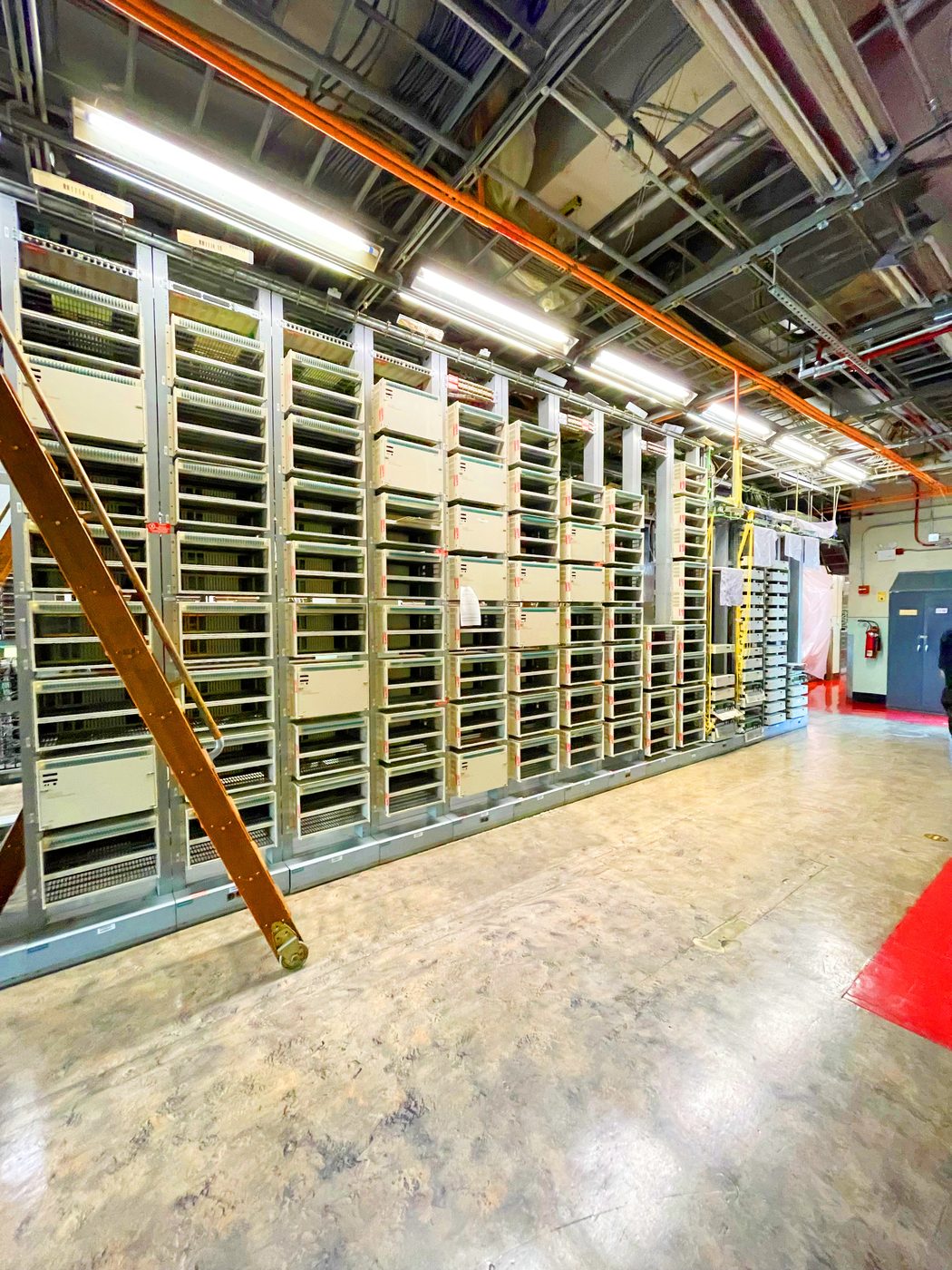
Both buildings stayed in service throughout, and both are telephone central offices, so the sets carry their own protection drawings. Frames and cable racks are sheeted in polyethylene at least 6 feet beyond the work, dust creating activity is enclosed, temporary lighting, power, and smoke detection go in before any demolition, existing conditions are photographed and issued to Verizon before day one, and any shutdown needs 72 hours written notice to the Verizon project manager.
MEP Engineering Scope
What We Engineered
Steam and electrical design across the two central offices:
- Four pressure reducing stations rebuilt, absorber stations included
- Electronic globe control valves with fail-closed actuators and blankets
- Safety shut-off valves set individually from 22 to 110 psi
- New motor operated incoming service valves at the meter rooms
- BACnet station control panels, transmitters, and emergency shut-off
- Protection drawings for working around live telephone equipment
Systems by Discipline
01Pressure Reducing Stations
- Four stations rebuilt across the two buildings, including an absorber station at each serving steam absorption chillers
- Two stage reduction on each station, dropping district steam to an intermediate pressure and again to the low pressure the building uses
- Globe type electronic control valves with stainless steel trim and ANSI Class IV shut-off, on cast steel or carbon steel bodies, with cast iron expressly not accepted
- Electronic actuators on 4 to 20 mA control with spring fail-closed mechanisms, plus manual operators
- Valve body sizes from 1 inch to 4 inch, selected station by station against maximum and minimum steam loads
- Removable insulation blankets on every reducing and shut-off valve
02Safety & Incoming Service
- Safety shut-off valves on each station, set individually from 22 to 110 psi depending on what sits downstream
- New incoming service valves at the meter rooms, 4 inch and 6 inch, on motor operated actuators
- An emergency shut-off panel with remote shut-off, provided to the utility's requirement for district steam service
- Pressure transmitters throughout for valve operation and for high and low pressure alarm
- A new steam room exhaust fan at Second Avenue, 1,500 CFM on an ECM motor with speed control
03Controls & Electrical
- A new control panel at each PRV station, furnished by the valve manufacturer with a BACnet interface so the stations report into the building systems
- Controls schematics issued for each station showing the staged reduction, the transmitters, and the alarm points
- Electrical demolition and new work drawn at basement level, with panel schedules and details
- Energy code compliance documentation carried with the filing
04Working Inside a Live Central Office
- Protection drawings issued as part of the set, covering how to work near telephone equipment and cable racks
- Polyethylene protection over frames and cable racks extending at least 6 feet in all directions beyond the work
- Temporary enclosures around any dust creating activity, and work areas isolated whenever slabs or walls were cut
- Temporary lighting, power, and smoke detection in place before demolition started, with exit and emergency lighting maintained throughout
- Photo documentation of existing conditions issued to Verizon before the first day of work
- A minimum of 72 hours written notice to the Verizon project manager before any system shutdown
The Challenge
Both buildings are live telephone central offices that take district steam for heating and for absorption cooling, and the pressure reducing stations feeding them were still on pneumatic control. The stations could not simply be taken out of service, the work sits in basements full of telephone frames and cable racks that cannot tolerate dust or damage, and anything touching the incoming service had to satisfy the steam utility as well as the city.
Our Solution
KeRi replaced each station with electronic globe control valves on fail-closed actuators, staged in two steps from district pressure down to what the building uses, with safety shut-off valves set individually for the equipment downstream and new motor operated valves on the incoming service. Each station reports through a manufacturer furnished control panel with a BACnet interface, backed by pressure transmitters and an emergency shut-off panel to the utility's requirement. The sets carry protection drawings of their own so the work could be sequenced around live equipment, with 72 hours written notice required before anything came down.
Previous Project Verizon Switchgear Cooling Next Project Verizon Energy / LL97 Program